
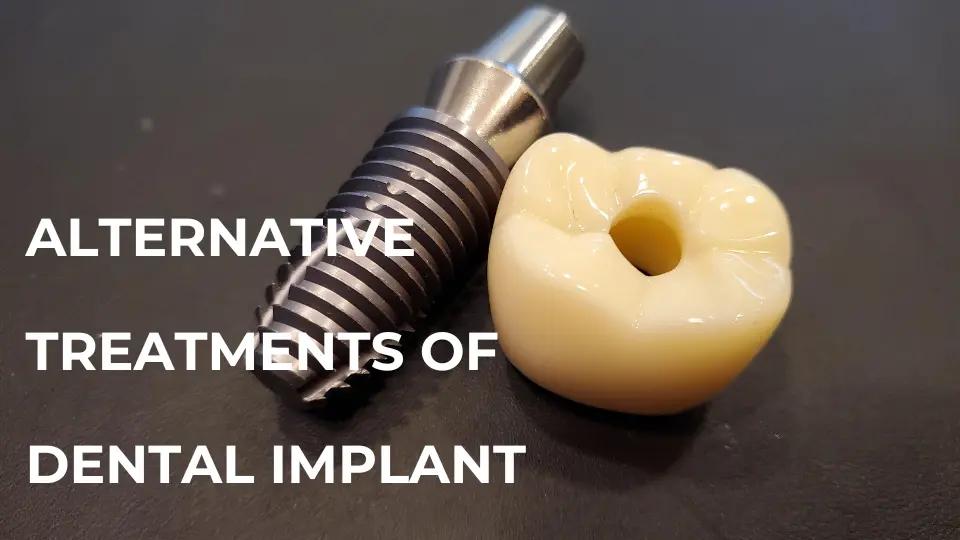
What can replace a tooth if not an implant?
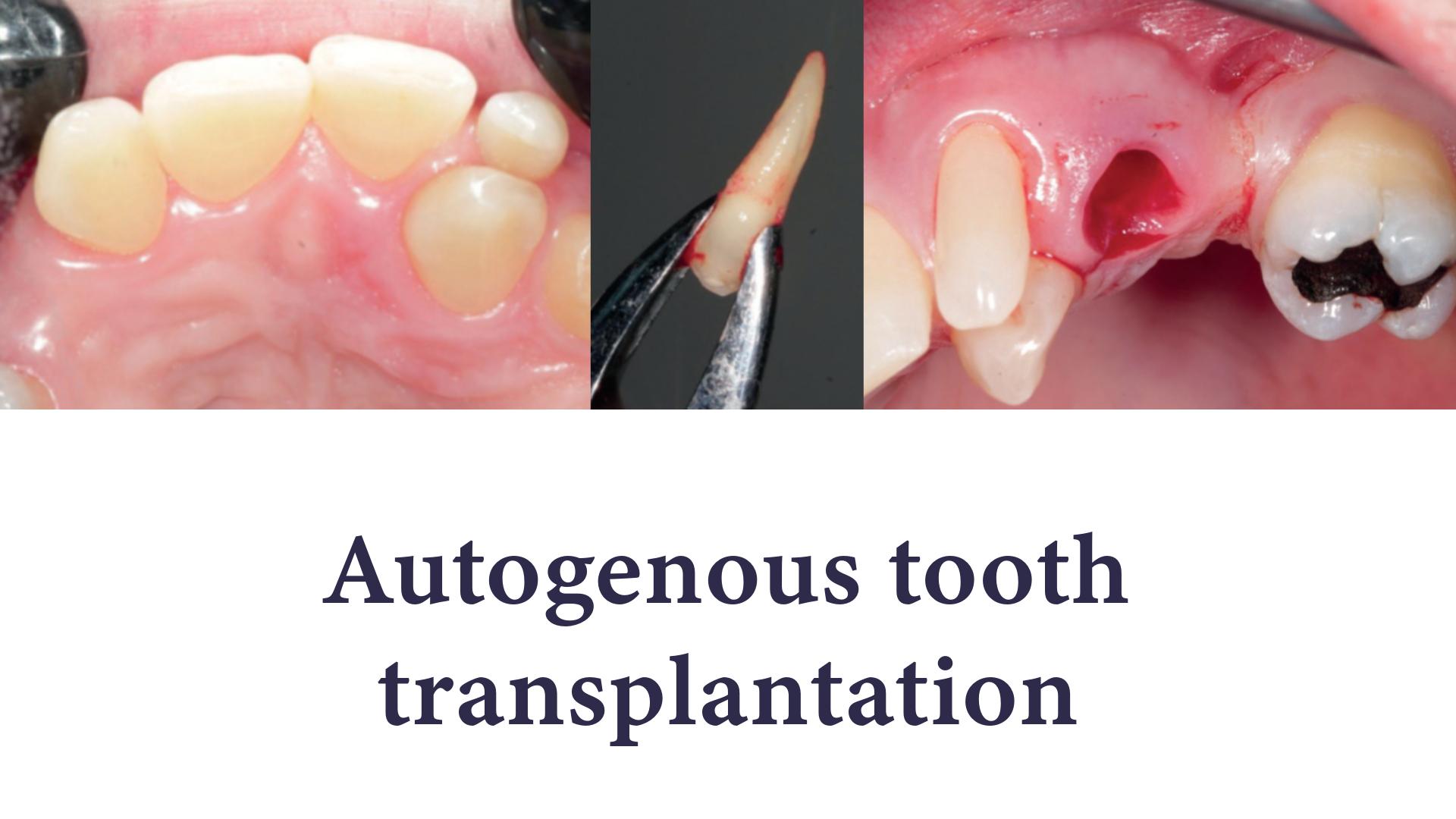
The main alternatives are a bridge, which is fixed to the neighbouring teeth, and a denture, which you take out. For some people, leaving a gap is also reasonable. None of these needs implant surgery. The trade-offs differ: a conventional bridge usually needs the teeth either side to be reduced, and a denture has to be taken out and cleaned. The right choice depends on the gap, the neighbouring teeth, the bone and your health.
- A conventional bridge is fixed and needs no surgery, but the teeth either side of the gap are reduced and crowned to carry it.
- A resin-bonded bridge needs little or no grinding of the neighbouring tooth, but it can come loose.
- A removable partial or full denture needs no surgery; it is taken out to clean and takes time to get used to.
- Leaving a single back-tooth gap can be a reasonable choice for some people; have it checked at regular visits.
Why an implant may not be the right step
People look for alternatives for different reasons:
- Health. At the high doses of bone medicines used in cancer treatment, implant surgery is usually avoided. After radiotherapy to the jaw, or with an uncontrolled medical condition, the plan changes and may exclude surgery.
- Bone. If there is not enough bone, a graft may be needed first. Building bone up in height is not a minor addition: a Cochrane review found complications common, especially with vertical bone grafting1. The review rests on few trials with few patients.
- Risk. In people smoking more than 20 cigarettes a day, implant loss was about 2.5 times as likely per implant2 as in non-smokers, and about 4 times as likely per patient; the risk rose with the number of cigarettes, and no safe number has been shown. People treated in the past for gum disease that had damaged the bone (periodontitis) lost implants at about 1.75 times the rate3 of people without that history. Active gum disease is treated before an implant. Neither rules out an implant, but both are part of the decision.
- Age. Implant treatment waits until the jaw has stopped growing, so a young person may need a temporary solution.
- Preference. Some people simply do not want surgery, or want a quicker or reversible solution.
If you are unsure whether an implant is possible, an examination, a 3D scan and a look at your medical history answer that. Our dental implants page explains the treatment.
Bridges
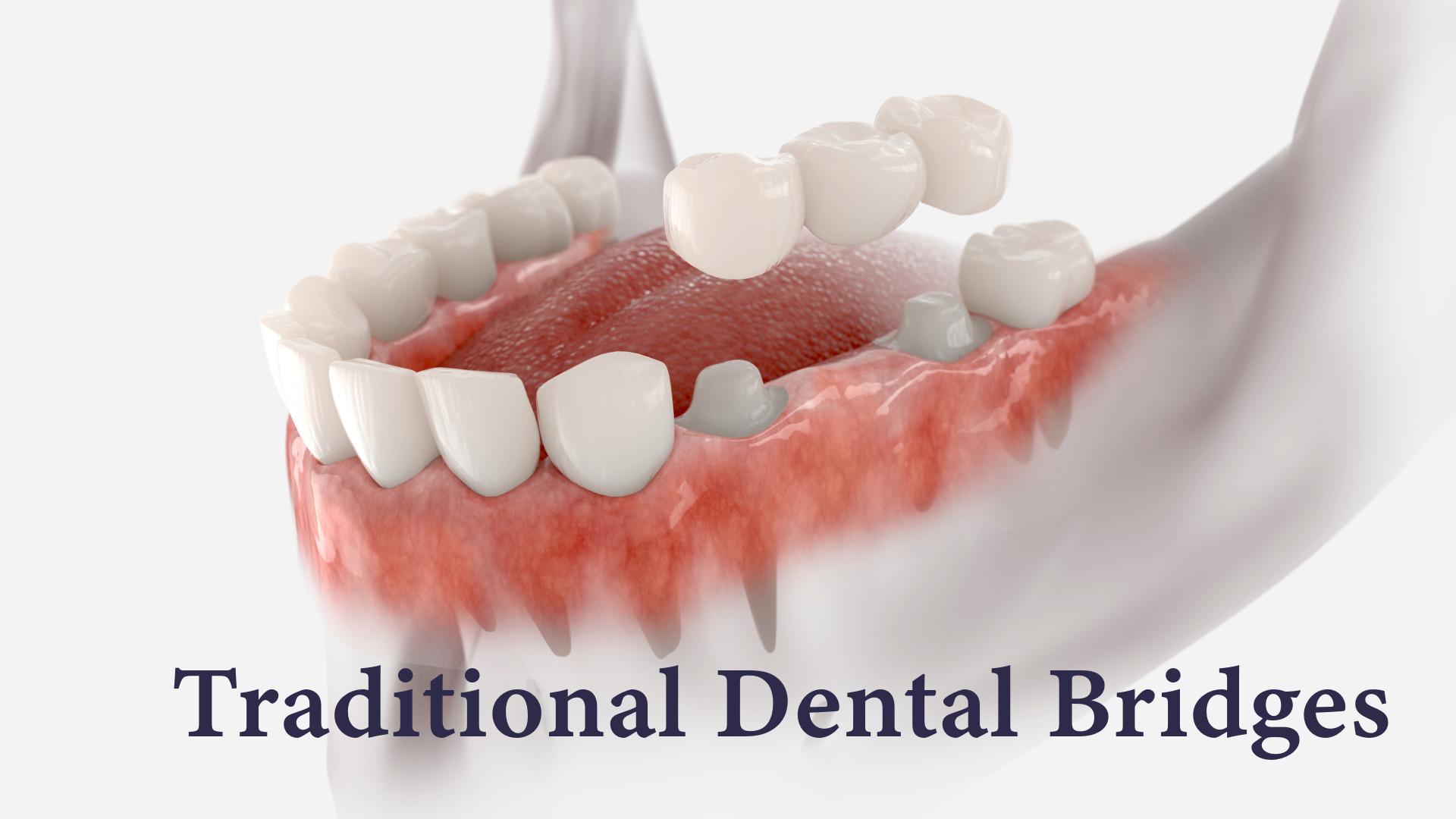
A bridge is a false tooth held in place by the teeth next to the gap. It is fixed: you do not take it out.
- Conventional bridge. The teeth on either side of the gap are reduced and crowned, and the false tooth is joined between them. No surgery is needed. The tooth tissue removed does not grow back, which matters most when those teeth are healthy and untouched. If they already need crowns, the balance shifts.
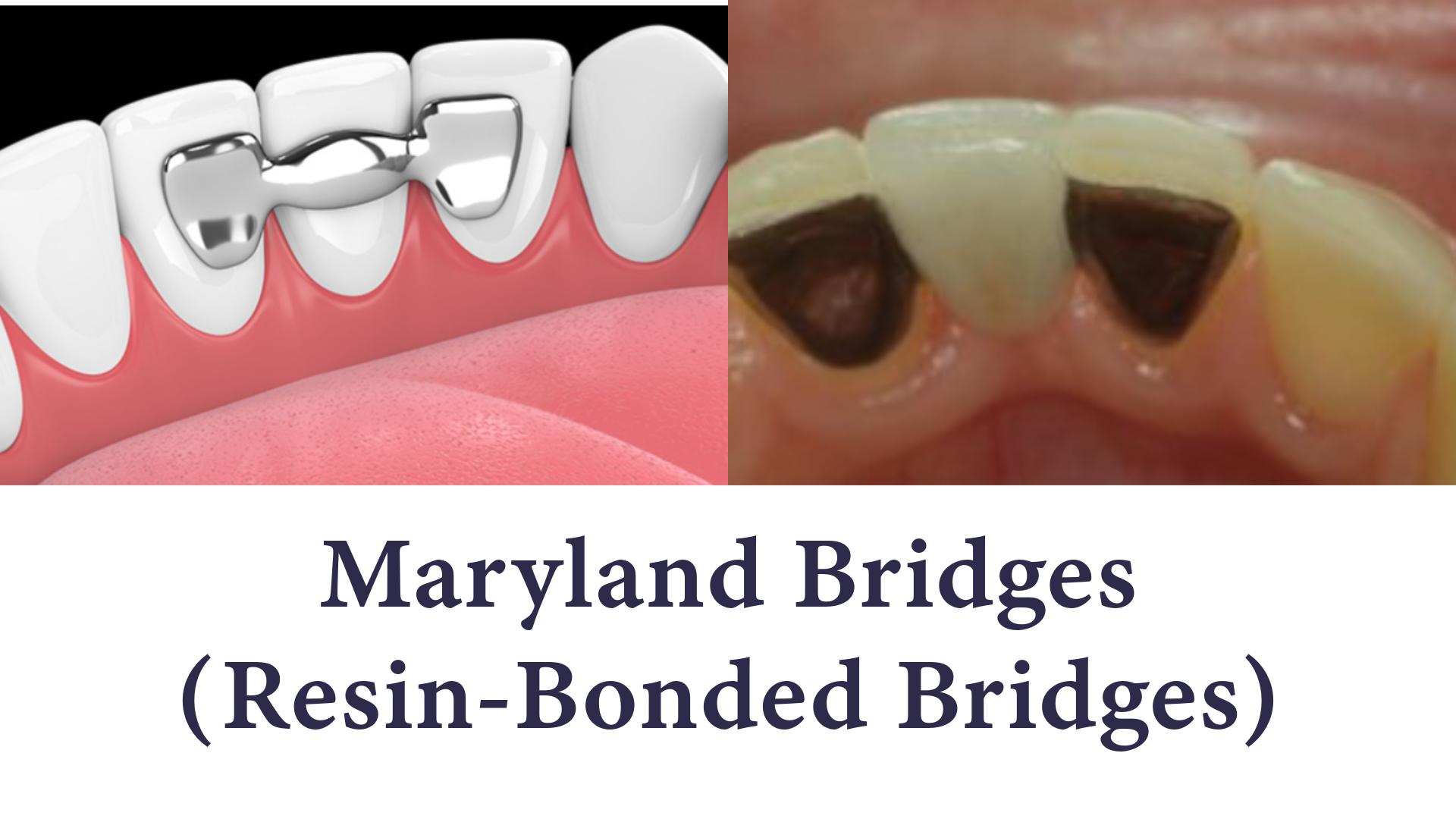
- Resin-bonded bridge. The false tooth has a thin wing that is bonded to the back of a neighbouring tooth. It needs little or no grinding and no surgery. It suits some single gaps, depending on the bite. It can come loose and may need re-bonding.
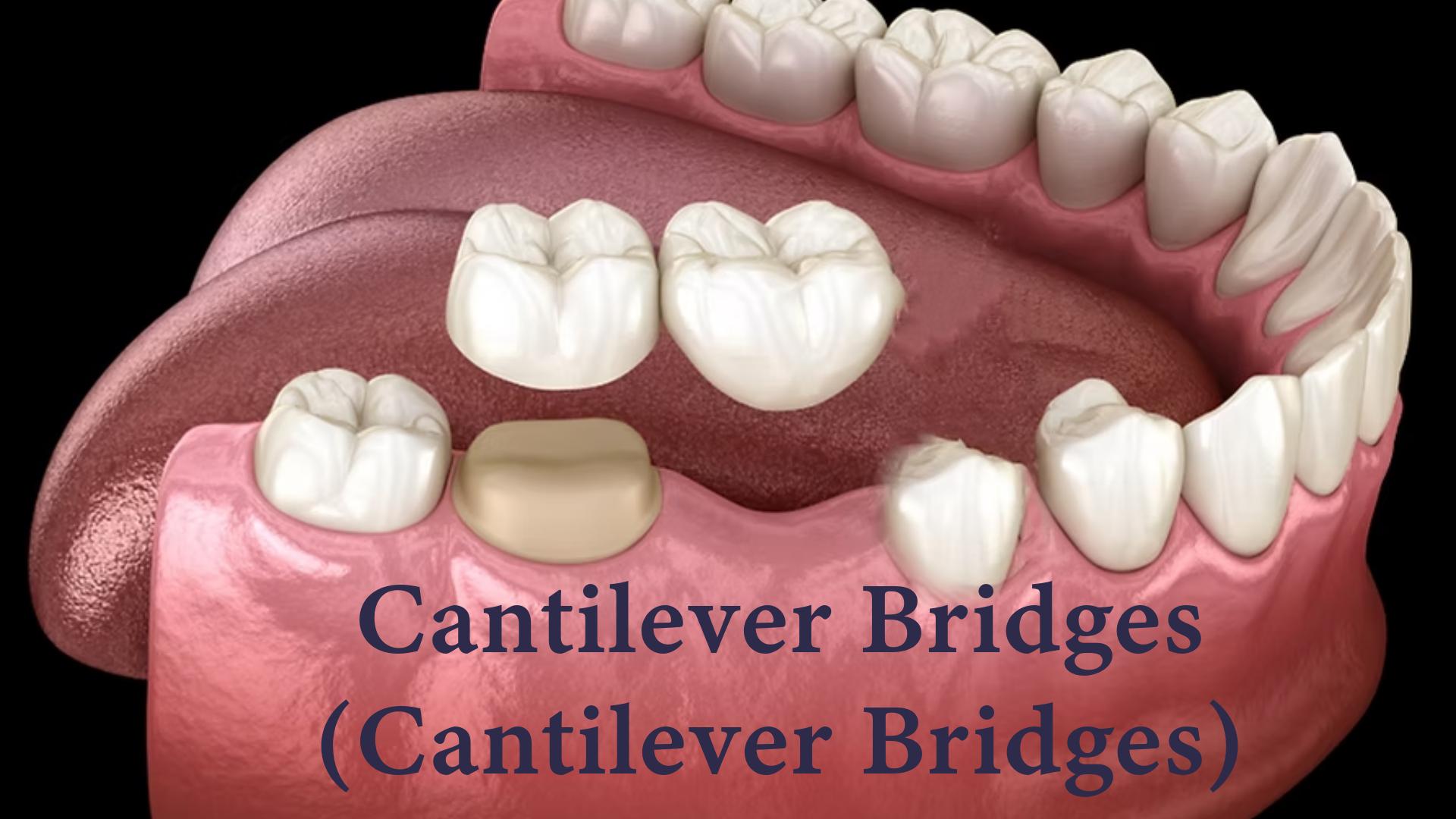
- Cantilever bridge. The false tooth is held from one side only. That supporting tooth is still prepared for it, either reduced for a crown or fitted with a bonded wing. Your dentist assesses whether that supporting tooth can take the load.
The supporting teeth are still natural teeth. In long-term studies of conventional bridges, the most common problems were decay and the nerve dying in the supporting teeth, and the bridge coming loose4. A tooth whose nerve dies may need root canal treatment. Cleaning around the edge of each crown matters. The space under the false tooth cannot be reached with a toothbrush alone; floss threaders or small interdental brushes are used. Your dentist or hygienist shows you how.
Removable partial dentures
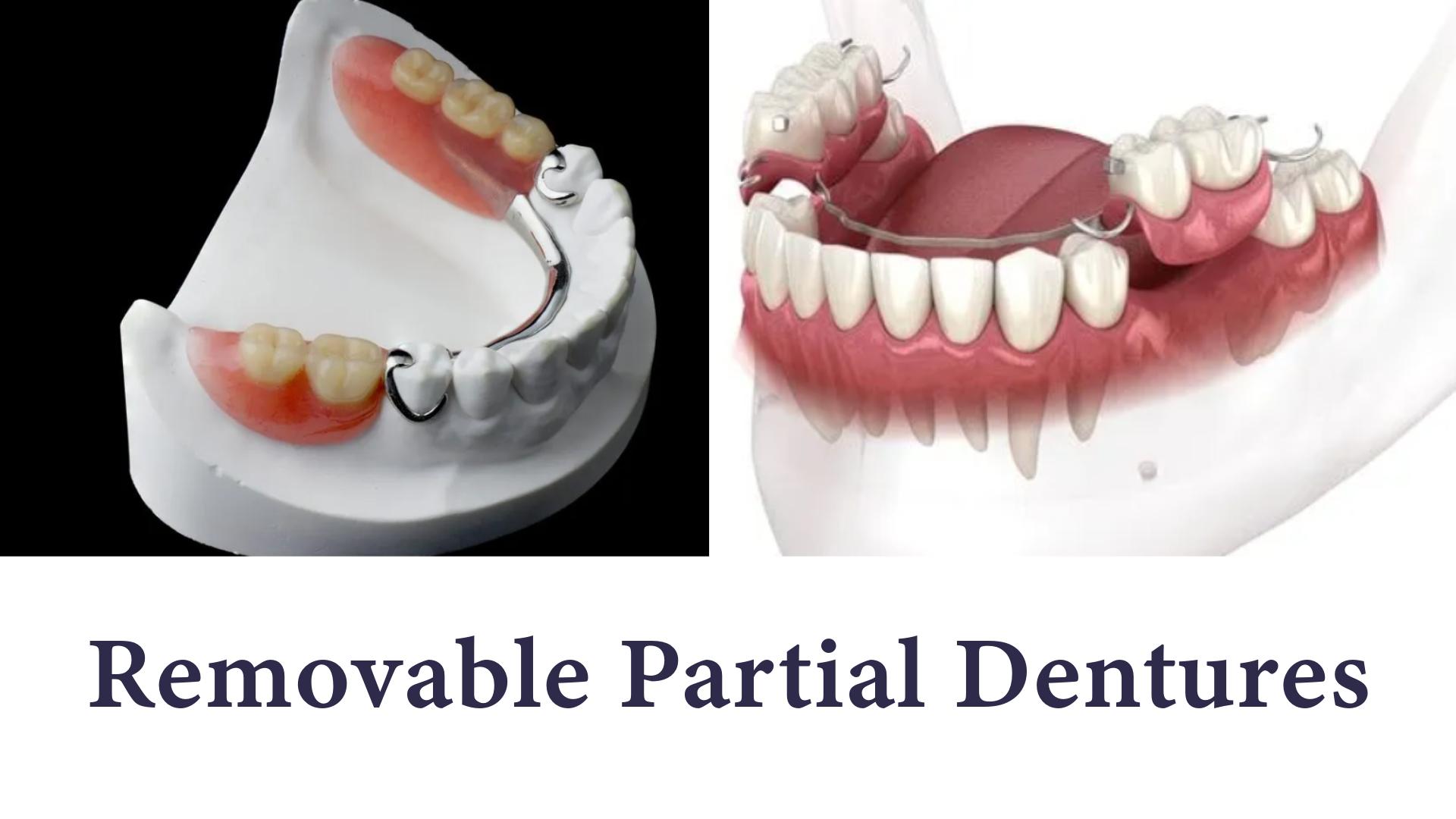
A partial denture replaces one or more missing teeth and is held by small clasps or attachments on the remaining teeth. You take it out to clean it. No surgery is needed, and the neighbouring teeth are usually not reduced, or only slightly to seat the clasps.
- Acrylic (plastic) partial denture. Quick to make. It is often used as a temporary tooth, for example while an extraction site or an implant heals.
- Metal-framework partial denture. A thin cast metal frame carries the teeth. It is usually slimmer than an all-plastic base. The clasps may show, depending on where they sit.
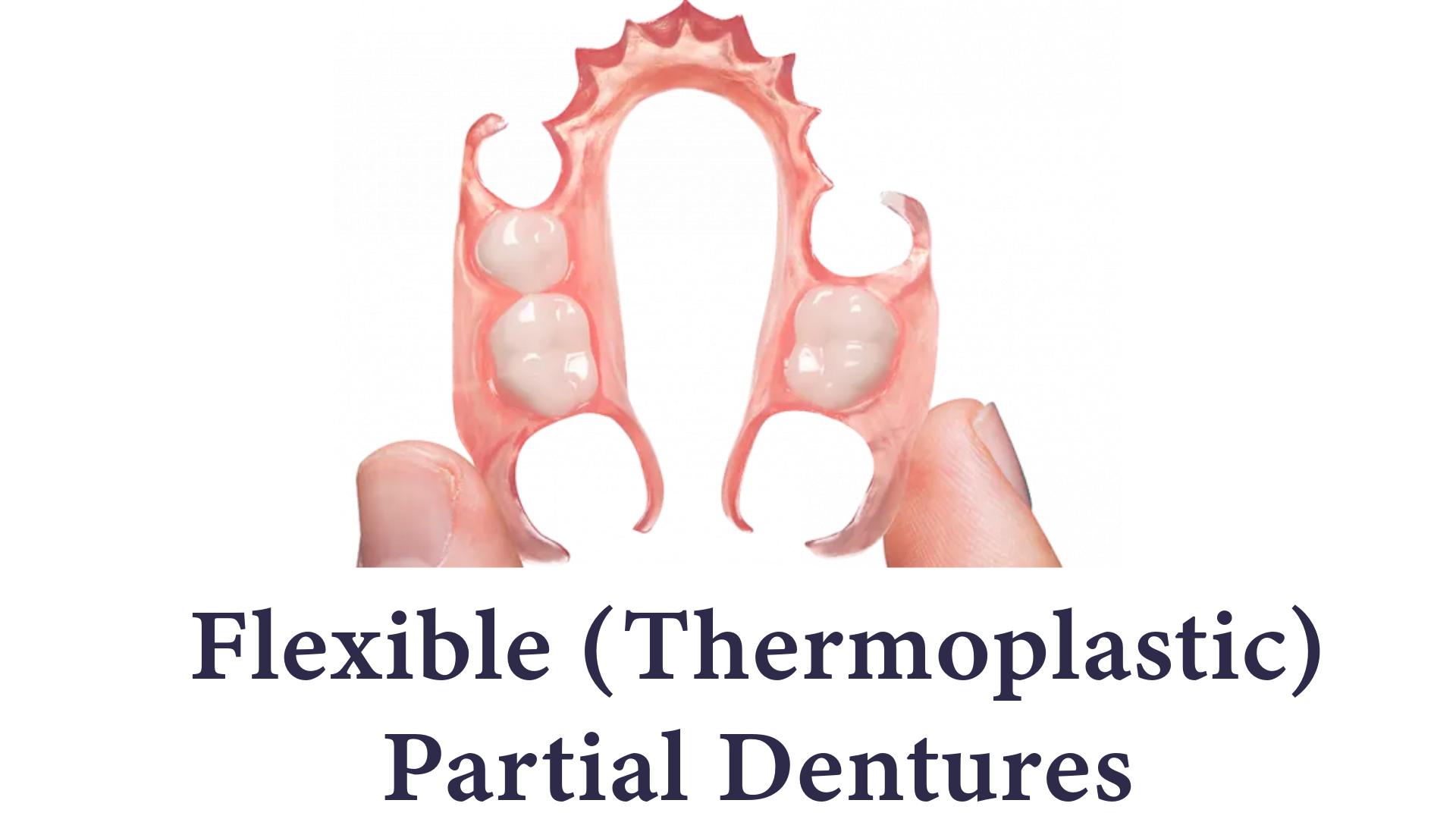
- Flexible partial denture. Made from a bendable plastic, with gum-coloured clasps. Ask whether it can be adjusted, or a tooth added, if you lose another tooth later.
Getting used to a denture takes time. Eating and speaking can feel different at first. The teeth that hold the clasps need careful cleaning, because food and plaque collect around them. Your dentist tells you how to clean the denture and whether to take it out at night.
Full dentures and overdentures
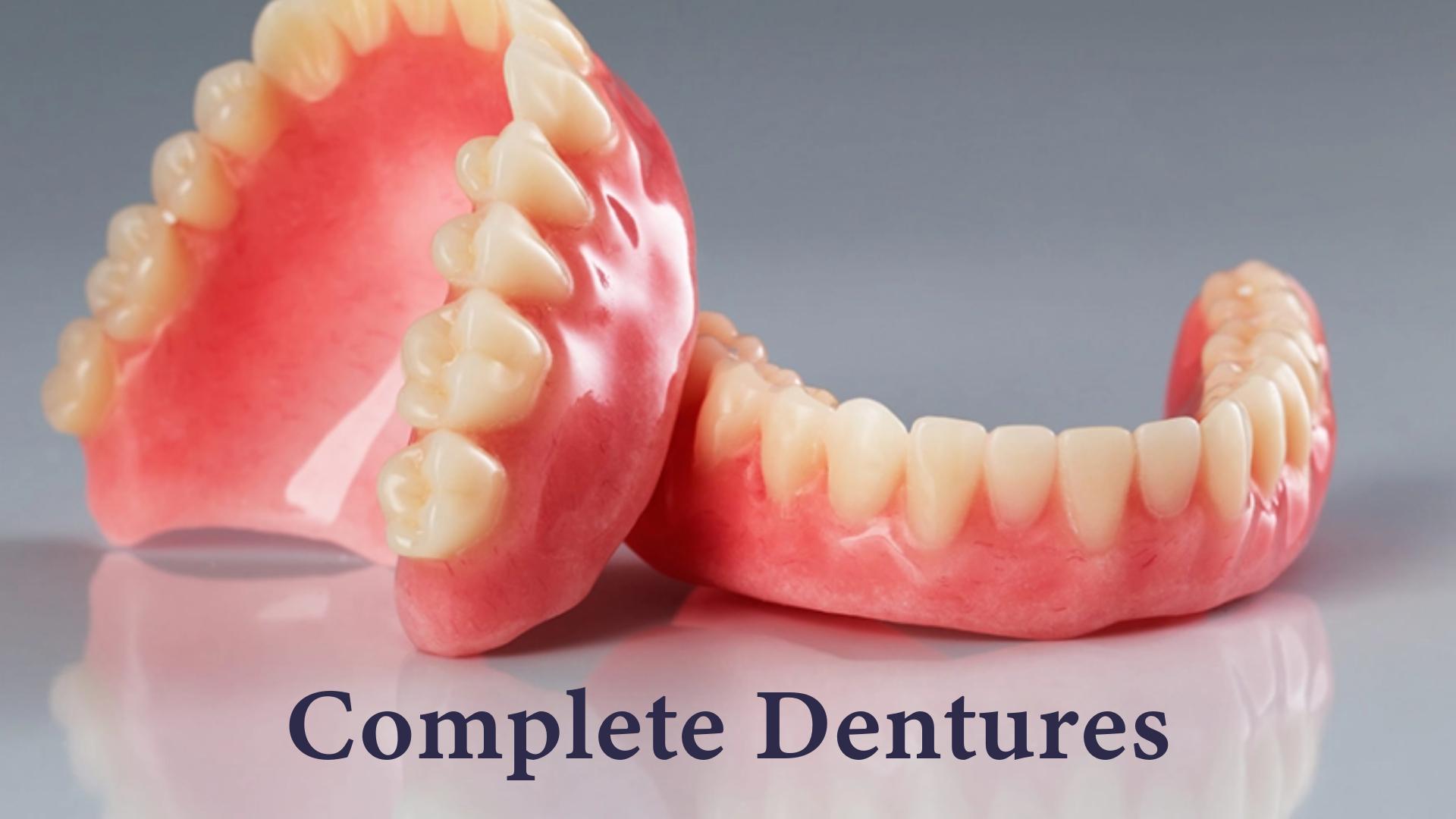
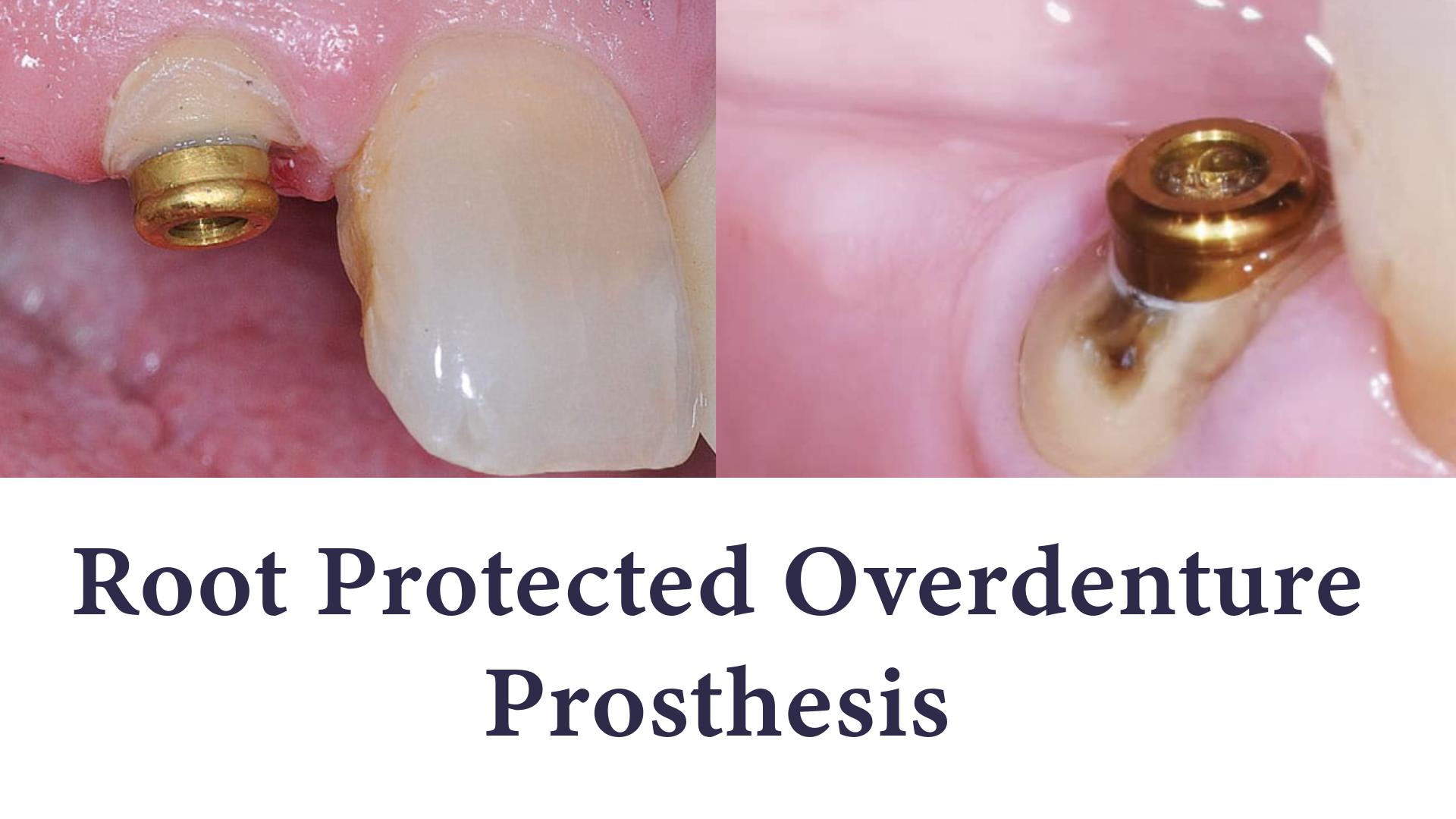
When all the teeth in a jaw are missing, a full denture rests on the gums and needs no surgery. A root overdenture fits over one or more tooth roots that are kept in the jaw, after root canal treatment, and those roots help hold it. The kept roots still need daily cleaning and regular checks, because they can decay or develop gum disease. Over the years the gums and bone under a denture change shape, so the fit is checked at reviews. A denture may need adjusting, relining or remaking.
If a full denture is too loose, implants can be added to hold it. That brings back implant surgery and its assessment, but with fewer implants than a fixed bridge. The All-on-4 page sets the whole-jaw options side by side.
| Fixed or removable | Surgery | Neighbouring teeth | |
|---|---|---|---|
| Conventional bridge | Fixed | No | Usually reduced and crowned |
| Resin-bonded bridge | Fixed | No | Little or no grinding; a wing is bonded to one tooth |
| Partial denture | Removable | No | Clasps rest on them; usually little or no grinding |
| Full denture | Removable | No | None left in that jaw |
| Implant crown (for comparison) | Fixed | Yes | Usually not drilled or crowned |
Leaving the gap
Not every gap has to be filled. For a single missing back tooth, some people choose to leave it, especially if chewing and appearance do not bother them. Over time the neighbouring teeth can drift or tilt, the tooth opposite can move towards the gap, and the bone where the tooth was shrinks. How much this happens varies from person to person. If you leave a gap, have it checked at your regular visits, and ask again if something changes.
A gap at the front is different, because it shows and can affect some sounds. A temporary partial denture is one quick way to fill it while you decide.
How the options compare over time
For implants, pooled figures exist. A review of 46 studies found that about 97 in 100 implants carrying a single crown were still in place after five years and about 95 after ten5. The crown on the implant is a separate part. In the same review, about 96 in 100 crowns were still in use after five years and about 89 after ten. Over five years it reported screw loosening in 8.8 per cent and soft-tissue problems in 7.1 per cent5. These are averages across studies, not a promise for one mouth.
For bridges and dentures, the pooled figures are older and come from other groups of studies. In reviews published in 2004 and 2007, about 9 in 10 conventional bridges were still in the mouth after ten years6, but about 3 in 10 had had a problem or needed repair by then6. Bridges held from one side only did less well: about 80 in 100 against 89 in 100 at ten years4. For removable partial dentures with cast metal clasps, a review of 46 studies found about 95 in 100 still in use after five years7; the teeth the clasps hold on to were found to have a higher risk of being removed over time, especially teeth whose nerve had died7.
Implants carrying a single crown and conventional bridges were still in the mouth at similar rates after ten years, but those figures come from separate studies, and a 2007 review found no study that compared the two directly8. So the evidence does not show that one lasts longer or suits you better. Every option needs cleaning and regular reviews, and every option can need repair or replacement in time. Ask your dentist what to expect for your own mouth, and what happens if the option fails.
When to see a dentist
See a dentist before you decide, and bring a list of your medicines. Tell them about smoking, diabetes, gum disease, clenching and any radiotherapy or cancer treatment.
If you already have a bridge or denture, make an appointment if you notice any of these:
- The bridge feels loose, or there is a bad taste or smell around it
- Pain or sensitivity in a tooth that supports a bridge or a clasp
- A denture that rocks, slips or no longer fits
- Sore spots or ulcers under a denture that do not heal within a couple of weeks
- A cracked or broken denture or clasp (do not repair it yourself)
Toothache with swelling of the gum, face or jaw, or with a fever, needs an urgent dental appointment: a dental abscess needs urgent treatment by a dentist9.
Emergencies. Difficulty breathing or swallowing, rapidly spreading swelling of the face or neck, or high fever are serious signs. Go to the nearest emergency department or call 112.
Frequently asked questions
Two dentists gave me different plans. Which one is right?
Ask each dentist to explain the plan on your own 3D scan. Why this number? Are implants tilted, and is a graft needed? How far does the bridge extend behind the last implant, and what if one implant is lost? Is a temporary bridge fitted straight away? Written answers make plans comparable.
Can a tooth abscess heal with antibiotics alone?
Antibiotics can calm the infection for a while, but its cause is still there. An abscess will not go away on its own; it needs draining and treatment of the cause, for a tooth usually root canal treatment or removal.
Can I wear a denture while waiting for an implant?
Often yes. A simple removable denture is a common temporary tooth while an extraction site or an implant heals. Your dentist tells you whether and when it can be worn over the healing area.
Will antibiotics make my toothache go away?
Often not. Antibiotics are not recommended for the pain of an inflamed nerve, and there is no good evidence that they help. An abscess needs draining and treatment of its cause. Antibiotics are used when an infection is spreading or makes you unwell.
Do I have to finish the whole course?
Follow your dentist's instruction. The guidelines we checked tell dentists to stop the antibiotic once the signs and symptoms have settled, rather than always finishing the pack. Do not stop or change it on your own.

Dt. Dilek AKSU GÜLER
Dentist · Founder
She has completed advanced training in implantology and works in aesthetic restorations and smile design.
Sources
- Interventions for replacing missing teeth: horizontal and vertical bone augmentation techniques for dental implant treatment (Cochrane review, 13 RCTs). Cochrane Database of Systematic Reviews 2009;(4):CD003607. 2009.↩doi.org
- Levels of smoking and dental implants failure: systematic review and meta-analysis (23 articles). Journal of Clinical Periodontology 2020;47(4):518-528. 2020.↩doi.org
- Effectiveness of implant therapy in patients with and without a history of periodontitis: systematic review with meta-analysis of prospective cohort studies (14 studies, >=36 months). Journal of Periodontal Research 2025;60(6):524-543. 2025.↩doi.org
- Comparison of survival and complication rates of tooth-supported FDPs and implant-supported FDPs and single crowns. Clin Oral Implants Res 2007;18 Suppl 3:97-113. 2007.↩doi.org
- Systematic review of the survival rate and the incidence of biological, technical and aesthetic complications of single crowns on implants (46 studies, mean follow-up 5 years). Clinical Oral Implants Research 2012;23 Suppl 6:2-21. 2012.↩doi.org
- A systematic review of the survival and complication rates of fixed partial dentures after an observation period of at least 5 years. III. Conventional FPDs. Clin Oral Implants Res 2004;15(6):654-66. 2004.↩doi.org
- Long-term assessment of the periodontal health of removable partial denture wearers: a systematic review and meta-analysis. J Prosthet Dent 2025;134(5):1664-1685. 2024.↩doi.org
- In patients requiring single-tooth replacement, what are the outcomes of implant- as compared to tooth-supported restorations?. Int J Oral Maxillofac Implants 2007;22 Suppl:71-95. 2007.↩pubmed.ncbi.nlm.nih.gov
- NHS: Dental abscess. NHS (nhs.uk). 2026.↩nhs.uk