
What does cosmetic dentistry cover?
Cosmetic dentistry is the umbrella term for treatments that change how the teeth and gums look. They include whitening, bonding (shaping with composite), orthodontics, gum contouring, laminate veneers (thin porcelain shells) and crowns. They are not one procedure but different answers to different concerns.
The first step is to name the concern: is it colour, shape, alignment, gaps or the gums? For each concern there is a least invasive option, and a conservative plan starts there. A cosmetic concern can often be resolved without removing tissue from the tooth. Procedures that remove tissue are considered only when more conservative options are not enough. Sometimes leaving the teeth as they are is the right answer. This page maps concerns to options, and shows how each option fits a trip; each option is covered in detail on its own page.
- Cosmetic dentistry is not a single procedure; different concerns call for different treatments.
- Whitening for colour, bonding for a small flaw in shape and orthodontics for alignment are the least invasive routes.
- Laminate veneers usually remove tissue from the tooth, as do crowns, and removed tissue cannot be undone; they are considered when more conservative options are not enough.
- If there are several concerns, the order matters: health first, then reversible procedures, and permanent restorations last.
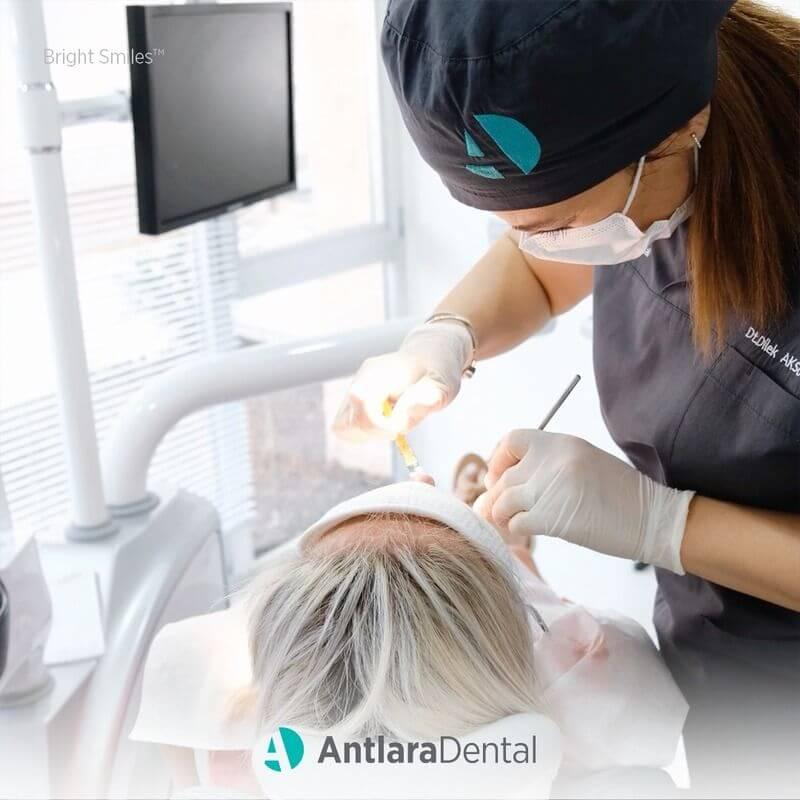
From concern to option
My teeth are yellow or stained
The cause of the discolouration is assessed first. Surface stains can often be removed with a professional clean; darkening of a single tooth may be linked to decay or to the tooth's nerve. In suitable cases, whitening is considered. According to reviews, whitening at home with a low-concentration gel over a longer period gives a colour change similar to whitening in the clinic1. For home whitening, your dentist decides the product and how long to use it. Whitening lightens the colour of natural tooth tissue. Existing fillings, crowns and veneers do not whiten; if a colour difference remains, they may need replacing. The effect is not permanent and needs topping up. A single root-filled tooth can be considered for whitening from the inside. Rarely, this method has been linked to external cervical resorption, a gradual loss of hard tissue from the root surface near the gum line. For discolouration that does not respond to whitening: bonding or laminate veneers.
One of my teeth is chipped, worn or small
For worn teeth, the cause is assessed first, such as clenching or grinding, or acidic food and drink. Bonding can often be done in a single appointment, usually without drilling tooth tissue away. The surface is treated so that the material bonds to it. A large fracture, one that extends towards the root or the nerve, or a large filling may call for more. A crown or a partial-coverage restoration may then be considered. If the nerve is affected, it may need treatment first. The choice depends on how much sound tooth remains. Crowns are named after their material: lithium disilicate (e.max), zirconia or metal-ceramic (porcelain fused to metal).
My teeth are crowded, rotated or stick out
Orthodontics: braces or clear aligners move the teeth instead of cutting them for crowns or veneers. Some plans remove a thin layer of enamel between the teeth, or need extractions. Treatment takes months, and keeping the result needs retention. Hiding crowding with crowns or veneers means removing a great deal of tissue from the teeth, so orthodontics is assessed first.
There is a gap between my teeth
Depending on the cause and width of the gap: bonding, laminate veneers or orthodontics; sometimes leaving it alone is the right choice.
Colour and shape together on several front teeth
Laminate veneers, if there is enough enamel and the teeth are healthy. Any tissue removal cannot be undone. How veneers differ from crowns, and what to ask before any tooth is prepared, is covered on the dental veneers page.
My gums show a lot when smiling, or the gum levels are uneven
Treatment depends on the cause. Too much visible gum can come from the gum level or the position of the supporting bone. It can also come from the position of the teeth, the structure of the jaw or the movement of the lip. In suitable cases the gum, and where needed the supporting bone, is reshaped; in others, orthodontics or other treatments are considered. Unevenness caused by gum recession may need tissue to be added. The decision is made after an examination and any imaging needed.
My old fillings or crowns do not match
Depending on the cause of the mismatch, polishing, reshaping, repair or replacement is considered; where possible, the existing restoration is kept. If replacement is needed, whether more tissue will be removed from the tooth is discussed beforehand.
Changing the whole smile
This is a matter of planning, not a single procedure: a smile makeover. A trial stage gives an idea of the planned look before any permanent work; the final colour, shape and appearance of the gums may differ.
It bothers me only a little
Doing nothing is an option. If there is no underlying disease, how your teeth look is a matter of preference, and leaving them as they are is a valid choice. An examination tells you whether anything needs treating for health reasons.
When other treatment is needed first
Active decay, gum disease and uncontrolled clenching are dealt with first; in teeth that are still developing, permanent restorations are postponed.
| Whitening | Bonding | Orthodontics | Laminate veneers | Crown | |
|---|---|---|---|---|---|
| Concern | Colour | Small chip, shape, gap | Alignment, gaps | Colour and shape together | Weakened or broken tooth, or one with a large filling |
| Is tissue removed from the tooth? | No | Usually not | Generally not | Usually a thin layer of enamel | Yes, from every surface |
| Can it be undone? | No tissue is lost; the effect fades over time and is topped up | Can be removed or redone; some enamel may be lost on removal | Planned enamel reduction or extractions cannot be undone; retention is needed to keep the alignment | No | No |
| Time | One appointment, or weeks at home | Usually one appointment | Months | Usually more than one appointment | Usually more than one appointment |
| More detail | Teeth whitening page | Laminate veneers page | Dental crowns page |
Why does the order matter?
If more than one procedure is needed, the order affects the result and how much healthy tooth tissue is removed:
- Health first. Decay, gum disease and bite problems are resolved before cosmetic procedures; a restoration placed while disease continues is at higher risk of failing early.
- Then procedures that can be reversed or do not cut the tooth. Orthodontics corrects the alignment; whitening lightens the colour. Whitening does not lighten ceramic crowns or veneers2. If your natural teeth are to be whitened, discuss it before the colour of any crowns or veneers is chosen.
- Restorative procedures last. Once the alignment and colour are settled, any remaining flaws in shape are corrected. Bonding, laminate veneers or crowns are used, according to what the tooth needs. These are not consecutive steps but alternatives chosen for each tooth. Laminate veneers and crowns are made only on the teeth that need them, after the result has been seen at the trial stage.
When this order is skipped, more teeth may be treated than needed, with more tissue removed.
If you are travelling for treatment, ask where and when any treatment needed first will be done, and how that changes the number of trips.
When to contact a dentist
Contact your dentist if any of the following happens after a cosmetic procedure:
- Sensitivity that lasts more than a week or gets worse
- Pain when biting, or a feeling that the bite is high
- A fracture, crack, movement or loss of a restoration (keep the piece, and do not glue it back yourself)
- Bleeding, recession or a dark line at the gum along the edge of a restoration
- White patches or burning on the gums after whitening (stop home whitening until you have spoken to your dentist)
Emergencies. Throbbing pain, facial swelling or a fever are not an expected result; see a dentist where you are without waiting for the clinic's reply. Go to the nearest emergency department if you have difficulty breathing or swallowing, swelling in the mouth or neck that spreads quickly, or swelling around the eye. In an emergency, call the emergency number of the country you are in; in Turkey it is 112.
Before you fly home
Make sure your bite has been checked and that you have written care instructions. Take the written record of your treatment with you for your dentist at home. If you are continuing whitening at home, make sure you know how long to use the product and whom to ask about it.
Once you are home
Brush twice a day with a fluoride toothpaste, and clean between your teeth every day. If a problem comes up that is not urgent, write to the clinic and send photographs. Photographs do not replace an examination, so see your dentist at home as well. In the emergencies above, do not wait for a reply.
If you are coming from abroad
Treatment is at our clinic in Antalya, Turkey; on this page, "we" means that clinic. The options on this page fit a trip in different ways.
- Whitening. In the clinic it usually takes one appointment. Whitening at home goes on for weeks, so most of it happens after you leave. Your dentist decides the product and how long to use it. If bonding, veneers or crowns follow, your dentist decides whether to wait after whitening, and for how long. Ask how this fits into the trip.
- Bonding. Usually one appointment, with no laboratory work. It is checked regularly and may need polishing, repair or replacement over time, so it is often simpler to have near home.
- Orthodontics. Treatment runs over months and the result needs retention afterwards, so it is often simpler to have near home.
- Laminate veneers and crowns. Usually more than one appointment, with laboratory work between preparing the teeth and fitting the restorations; you may wear temporary restorations in between.
The number of days in Antalya depends on which options are chosen and how many teeth are treated. It also depends on whether decay, root canal or gum problems need treating first. Before you book, you receive a written preliminary plan with the appointments and how many days they need. It is based on your photographs, so the examination confirms or changes it, and with it the days and the cost. If it changes, you receive the revised plan in writing before treatment starts. You can say no, or ask to stop, at any stage. Once a tooth has been prepared, that step cannot be undone.
Flying. A 2023 review of flying after dental treatment suggests waiting at least 24 hours after restorative treatment6, and longer after surgical procedures. These times assume there is no pain, swelling or bleeding where you were treated. The authors note that the research is limited and comes mainly from military aviation. Treat it as a starting point for your dentist's advice, not as a rule.
Your dentist at home. Talk to your own dentist before you go. They need to know the plan in case problems come up later. If you do not have a dentist where you live, it helps to find one before you travel. Ask for a written record of the treatment to take back to them. It should show what was done to each tooth, and the materials and products used. In Turkey, the health tourism regulation entitles international patients to an itemised bill. On request, they also get free copies of the records of the materials used, the tests and the imaging7.
Veneers, crowns and bonding need regular check-ups for as long as they are in the mouth. UK guidance (NICE) says the interval between check-ups should be set for each person according to their risk8; agree it with your dentist at home. Before you travel, check the rules of the health service or your insurer in the country where you live about care after treatment abroad.
Questions to ask before you commit. Before you agree to treatment abroad, ask:
- Who will carry out my treatment, and what are their qualifications?
- Are you regulated by a professional body and registered with it?
- Are the remake and correction terms in writing, and for how long do they apply?
- What aftercare do you provide, and who can I contact after the treatment?
- If there are complications, who pays for further treatment, extra flights and the hotel?
- Do you have a complaints system, and can I see a copy?
Before treatment, we give you in writing how complications are handled and the terms for remaking a veneer or crown. The full list, with our answer to each question, is on our page about dental treatment abroad.
What determines the cost?
This page does not show prices. The definitive treatment plan is prepared after an examination. The main factors that shape it are:
- Which treatments are included: whitening, bonding, orthodontics, veneers or crowns
- How many teeth are treated
- The material and how it is made
- Treatment needed first: decay, gum treatment, root canal treatment
- The trial stage, temporary restorations and review appointments
- The number of trips the appointments need
Conservative procedures (whitening, orthodontics) often involve the whole set of teeth. For restorative procedures (bonding, veneers, crowns), the cost rises with the number of teeth treated. Ask for the plan in writing, showing which procedure is recommended for which tooth, why, and what is included. Ask too who pays for further treatment and extra travel if there is a complication. When you compare quotes, add travel and accommodation for each trip.
Frequently Asked Questions
Are cosmetic dentistry and smile design the same thing?
Cosmetic dentistry is the umbrella term for the treatments. Smile design is the planning that decides which of them are used, in what order and on which teeth. Even a single concern needs an examination and a treatment plan; if several procedures are needed, their order is planned too.
Can I change how my teeth look without having them cut?
Often, yes. Whitening does not cut the tooth. Orthodontics moves the teeth instead of cutting them, though some plans remove a thin layer of enamel between teeth, or need extractions. Bonding usually does not cut. Veneers usually remove tissue, as do crowns; they come in when gentler options fall short.
Are cosmetic treatments permanent?
No result is guaranteed for life, and tissue removed for veneers or crowns does not grow back. Whitening fades as teeth partly regain their old colour. Composite may need polishing, repair or replacement over time. How long ceramic veneers stayed in place in studies is given under 'Shared risks and benefits' above; staying in place does not mean trouble-free. Results depend on the teeth, bite, habits and care.
Should I whiten my teeth before crowns or veneers?
You do not have to. But if your natural teeth are to be whitened, plan it before the colour of any crowns, veneers or bonding is chosen. Whitening does not lighten ceramic crowns or veneers, so teeth whitened afterwards may no longer match. After whitening, your dentist decides whether to wait before bonding, and for how long.
Can the look of the gums be corrected too?
Often, yes, depending on the cause. A gummy smile may come not only from the gums but from tooth position, jaw structure or lip movement. In suitable cases the gum, and if needed the bone, is reshaped; otherwise orthodontics or other treatments are considered. An examination and imaging decide.
How should I judge a cosmetic treatment plan?
Ask what is proposed for each tooth and why a less invasive option is not enough. Ask for the trial stage, the timeline, the chance of root canal treatment and who will look after you once you are home, in writing. Getting a second opinion, for example from your own dentist, is normal.
Can everything be done in one trip?
It depends on the options. Whitening in the clinic and bonding usually take one appointment. Veneers and crowns usually need more than one appointment, with laboratory time in between. Orthodontics runs over months and is often simpler to have near home. Before you book, a written preliminary plan states the appointments and the number of days. It is made from photographs, so the examination confirms or changes it.
What if something goes wrong after I go home?
For urgent symptoms such as spreading swelling, a fever, or difficulty breathing or swallowing, get local emergency care first, then tell us. For a problem that is not urgent, write to the clinic and send photographs. Veneers, crowns and bonding need regular check-ups with a dentist where you live; tell them about the treatment and bring the written record. Before you travel, check the rules of the health service or your insurer in the country where you live about care after treatment abroad.
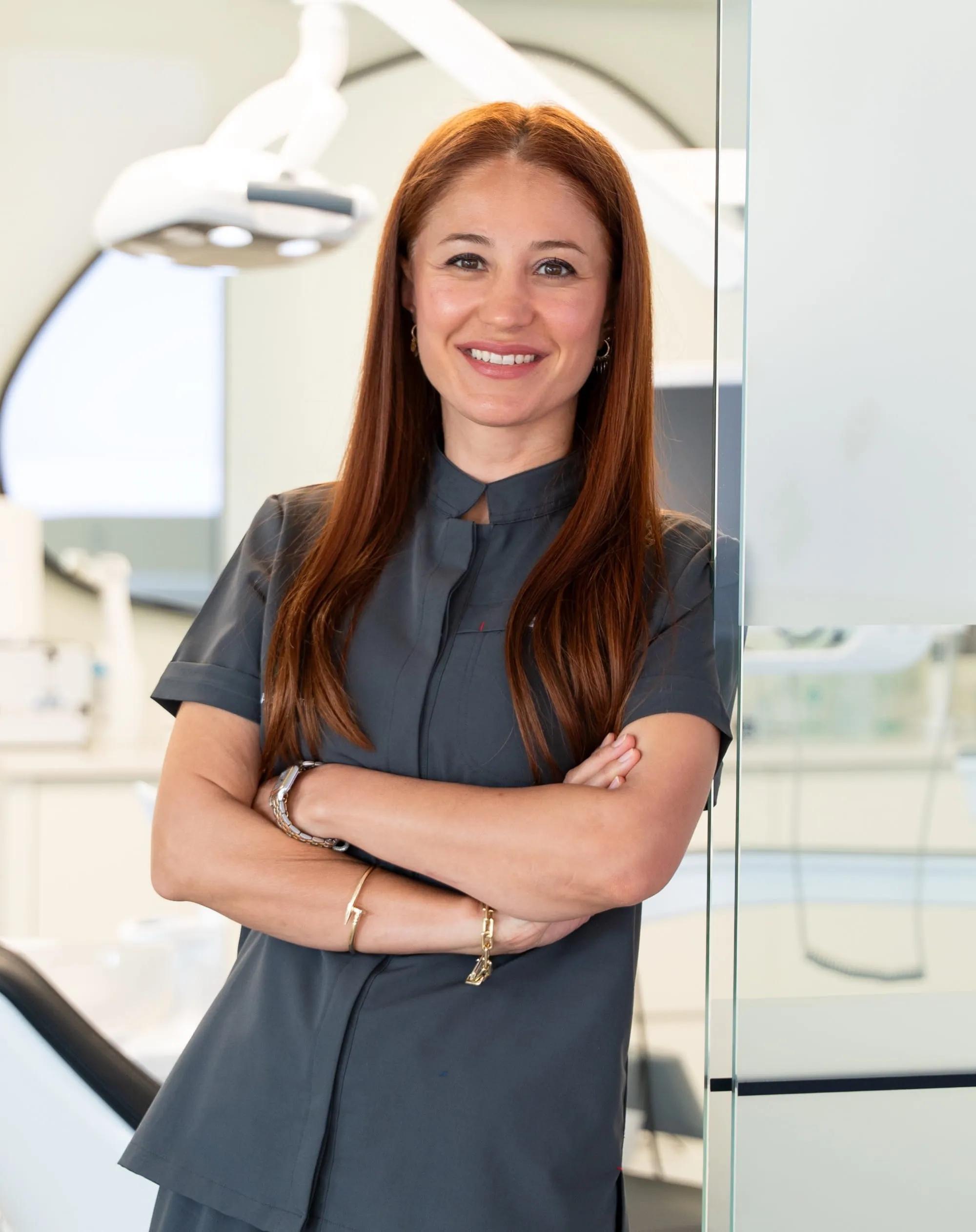
Dt. Dilek AKSU GÜLER
Dentist · Founder
She has completed advanced training in implantology and works in aesthetic restorations and smile design.
Sources
- Tooth bleaching: umbrella review of 28 systematic reviews (416 randomised trials). Heliyon 2024. 2024.↩pmc.ncbi.nlm.nih.gov
- Teeth Whitening (patient information). American Dental Association, MouthHealthy.↩mouthhealthy.org
- Incidence of pulp necrosis and periapical pathosis after indirect restorations: systematic review and meta-analysis (37 studies, 11,615 teeth). BMC Oral Health 2023. 2023.↩pmc.ncbi.nlm.nih.gov
- Tooth sensitivity with different bleaching agents and concentrations: Bayesian network meta-analysis (77 studies). Journal of Dentistry 2025. 2025.↩doi.org
- Survival and complication rates of ceramic laminate veneers by material: systematic review and meta-analysis (29 studies). Journal of Esthetic and Restorative Dentistry 2025;37(3):601-619. 2025.↩doi.org
- Dental tourism and the risk of barotrauma and barodontalgia (narrative review with guiding principles). British Dental Journal 2023;234(2):115-117. 2023.↩doi.org
- Uluslararasi Saglik Turizmi ve Turistin Sagligi Hakkinda Yonetmelik. T.C. Saglik Bakanligi, Resmi Gazete 26/4/2025, No 32882. 2025.↩resmigazete.gov.tr
- Dental checks: intervals between oral health reviews (clinical guideline CG19). National Institute for Health and Care Excellence, published 27 October 2004. 2004.↩nice.org.uk
Specialists Who Perform This Treatment
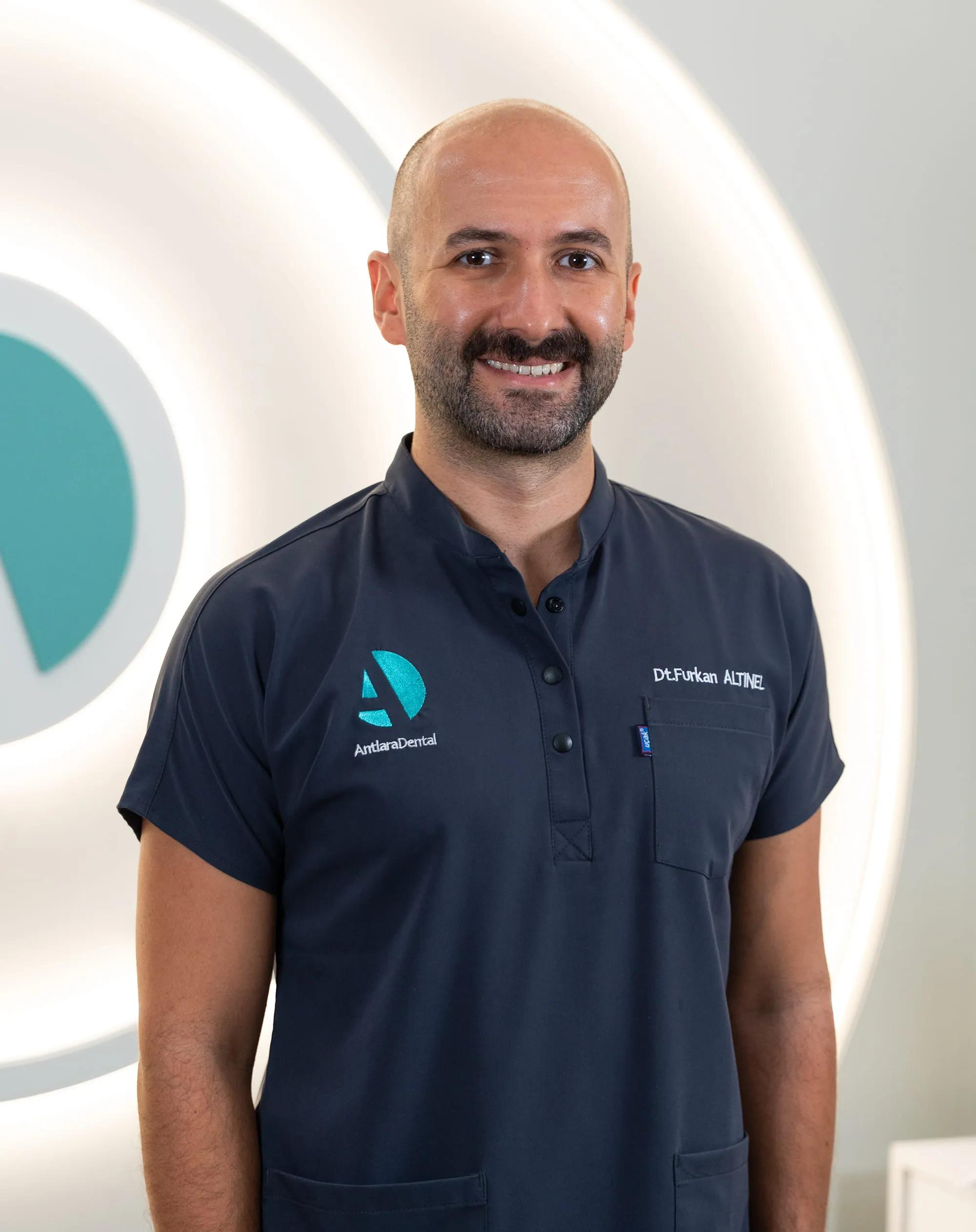
Dt. Furkan ALTINEL
Dentist; aesthetic dentistry, implants and prosthetic treatments

Dt. Furkan YAĞCIOĞLU
Dentist; smile design and All-on-4 / All-on-6 implant-supported prostheses
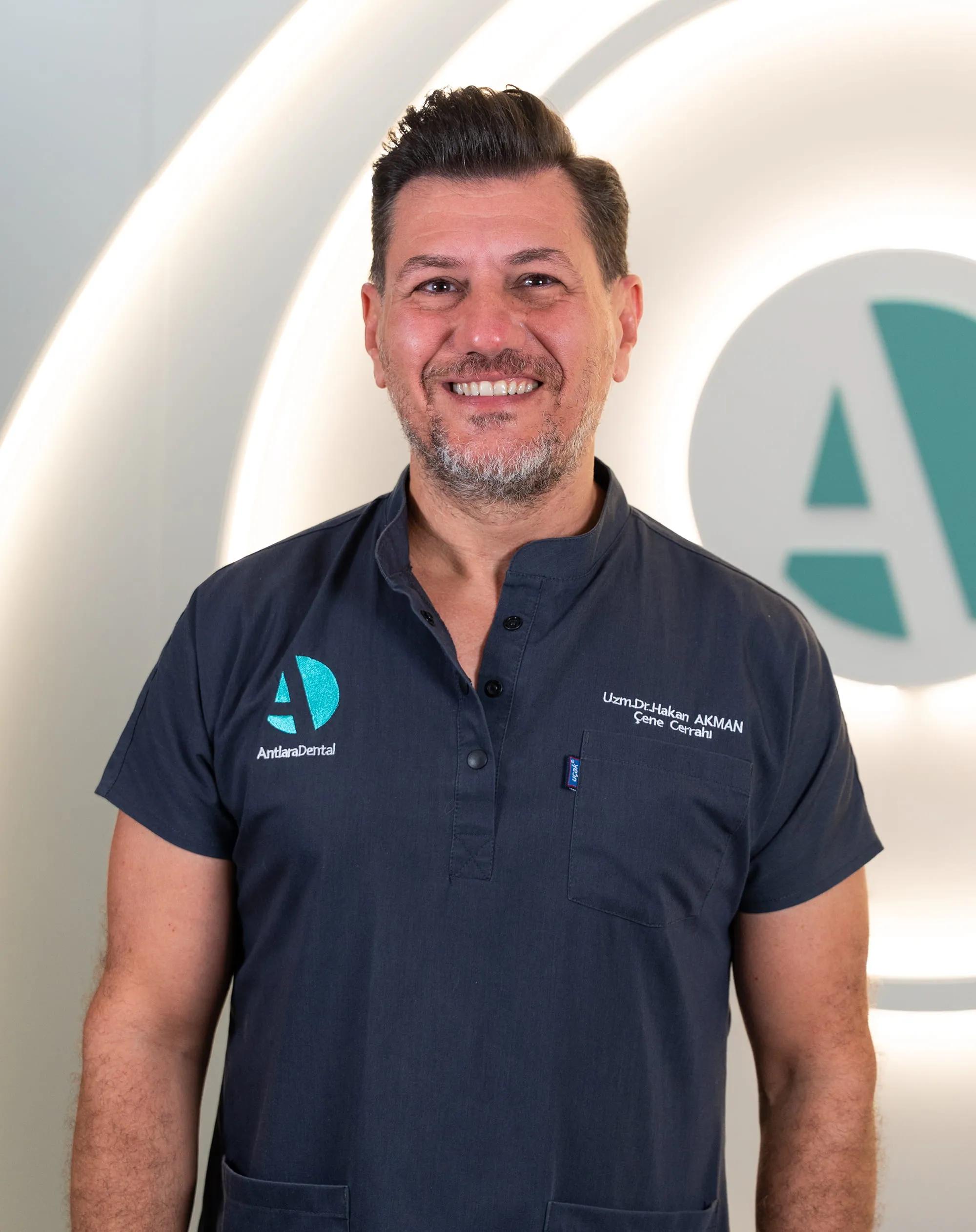
Dt. Hakan AKMAN
Specialty training at the Department of Oral and Maxillofacial Surgery, Ankara University (1996-2003).
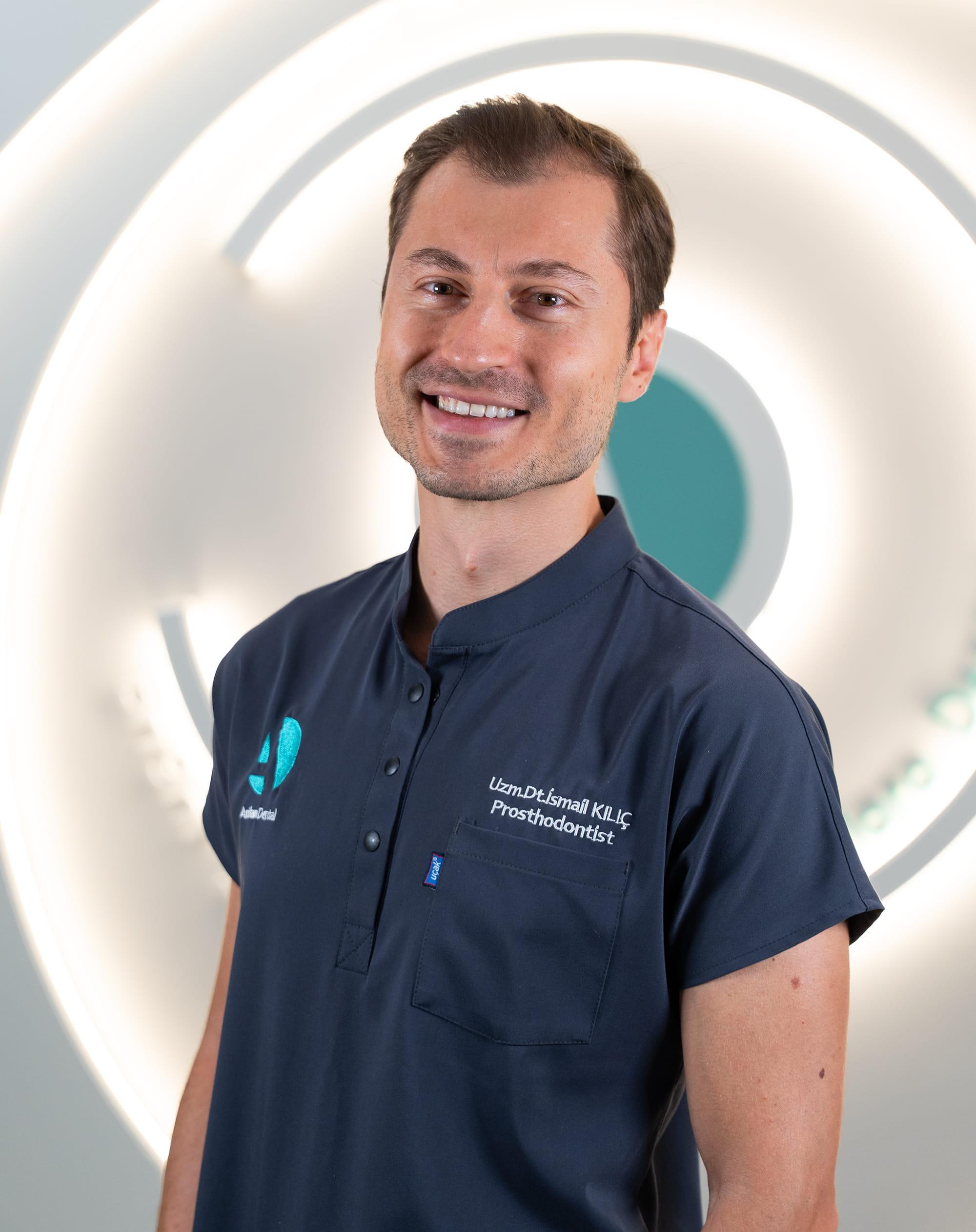
Uzm. Dt. İsmail KILIÇ
Prosthodontics Specialist; aesthetic dentistry, digital smile design and implants
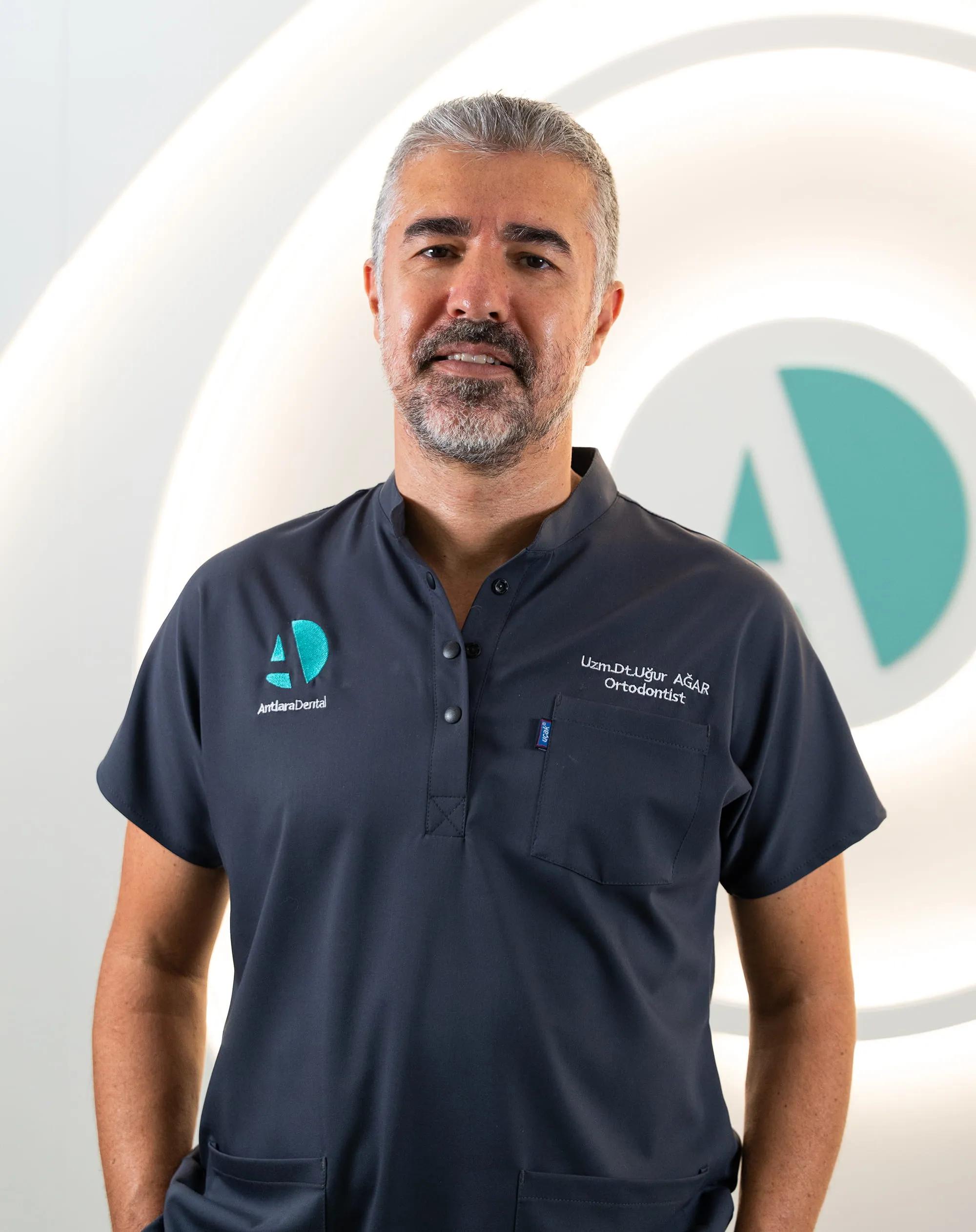
Uzm. Dt. Uğur AĞAR
Orthodontics Specialist; braces, clear aligners and smile design