
Can wisdom teeth cause headaches?
Sometimes. An infected or inflamed wisdom tooth, or the gum around one, can cause pain that spreads to the face and head. But a large population study found no link between wisdom teeth and migraine or other types of headache. Recurring headaches without tooth pain need a proper assessment, not the assumption that wisdom teeth are to blame.
- A painful, infected wisdom tooth can refer pain to the head, usually together with pain in the tooth, gum or face.
- There is no good evidence that wisdom teeth cause migraine, or that removing them cures it.
- A wisdom tooth that causes no problems is usually left in place and checked.
- Trouble breathing or swallowing with a swollen gum or face is an emergency.
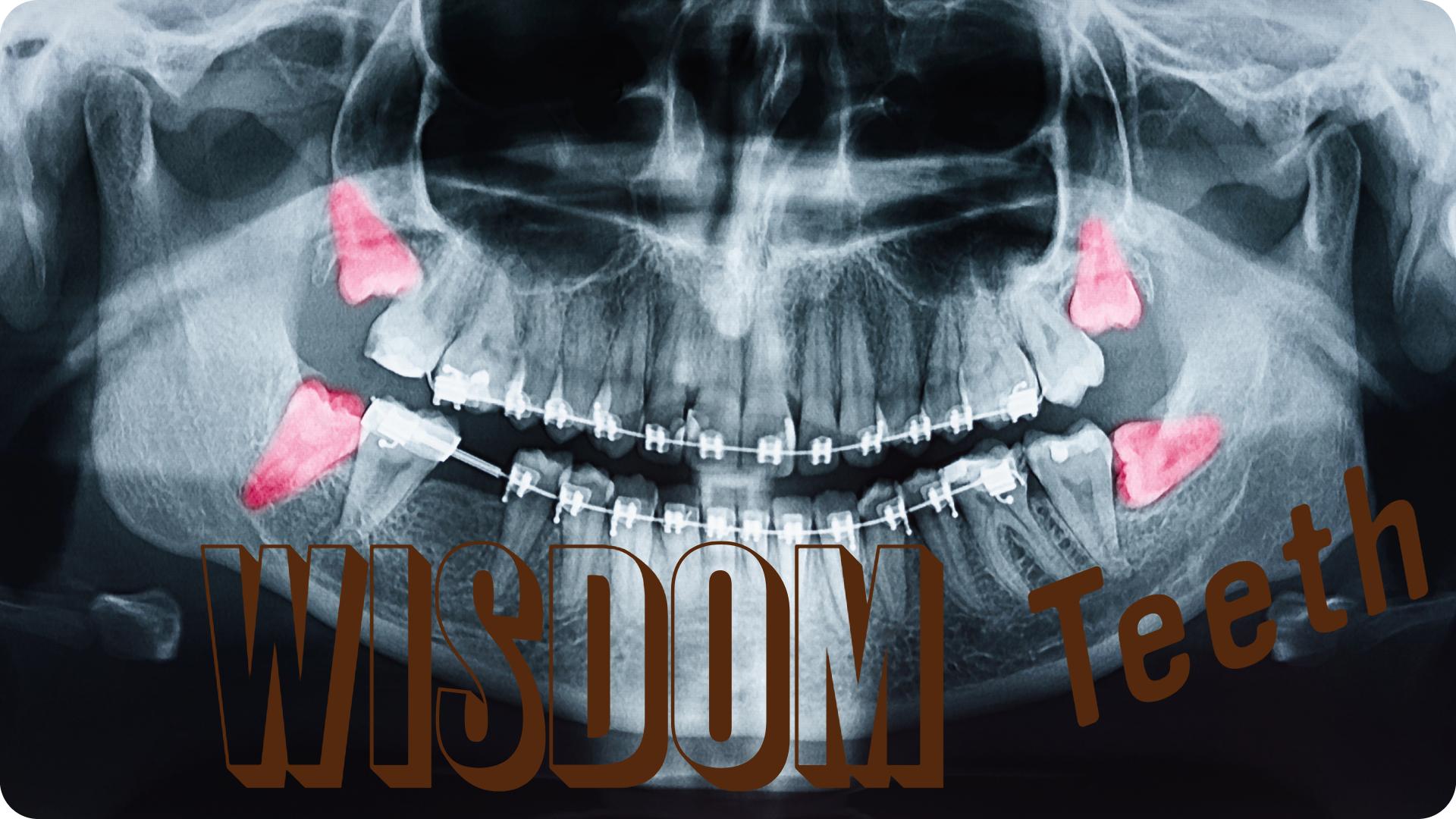
How a tooth can cause head pain
Headache specialists do recognise that teeth can cause headaches. The international classification of headache disorders (ICHD-3) has a category for headache caused by a dental problem. It notes that dental problems usually cause toothache or facial pain, but may refer pain to the head1. The most common causes it lists are an infection or abscess of a tooth or its gum, and pericoronitis around a partly erupted lower wisdom tooth.
Pericoronitis is an infection or inflammation of the gum2 that partly covers a tooth that has not fully come through. Wisdom teeth are the usual place for it, because they are often the last teeth to come through and may not have room to do so fully. It typically causes pain and swelling at the back of the mouth, and sometimes a bad taste or difficulty opening the mouth.
The classification does not treat every headache in someone with a wisdom tooth as a dental headache. It asks for at least two of four signs linking the headache to the dental problem: the headache started with the dental problem, gets better or worse along with it, is made worse by pressing on the tooth, or is on the same side. It also requires that no other headache diagnosis explains it better1. In other words, the link has to be shown by a clinician; it is not something you can confirm yourself.
What a large study found about wisdom teeth and migraine
A population study in north-eastern Germany examined this question. Researchers used MRI scans to check the wisdom teeth of 1,808 people and compared them with their pain symptoms.
- Face pain: a link for upper teeth. People with an impacted upper wisdom tooth, one that has not come through fully into its normal position, had about twice the odds of long-term face and mouth pain3 compared with people whose upper wisdom teeth had come through. There was no such link for lower wisdom teeth.
- Headache: no link found. Wisdom teeth were not associated with migraine, other types of headache or pain in the chewing muscles.
This was a snapshot of one population at one time, so it shows associations, not causes, and it did not test whether headaches ease once an infected tooth is treated. But it does not support the idea that wisdom teeth are a common hidden cause of migraine. None of the sources we checked shows migraines improving after wisdom teeth are removed.
What else could be causing the pain
If your headaches are not clearly tied to a painful tooth, other causes are more likely to be involved:
- The jaw joint and chewing muscles. Temporomandibular disorder (TMD) causes pain around the jaw joint, in front of the ear and in the chewing muscles. The NHS describes headaches around the temple among its symptoms, and says TMD is not usually serious and generally gets better on its own4. Scottish dental guidance notes that TMD and pericoronitis can look similar2, since both can cause pain and limited mouth opening, which is one reason an examination is needed.
- Other teeth. Decay, a cracked tooth or an abscess elsewhere in the mouth can cause the same kind of referred pain.
- Headache disorders. Migraine and tension-type headache are common and have their own treatments. They are a matter for a doctor, not a dentist.
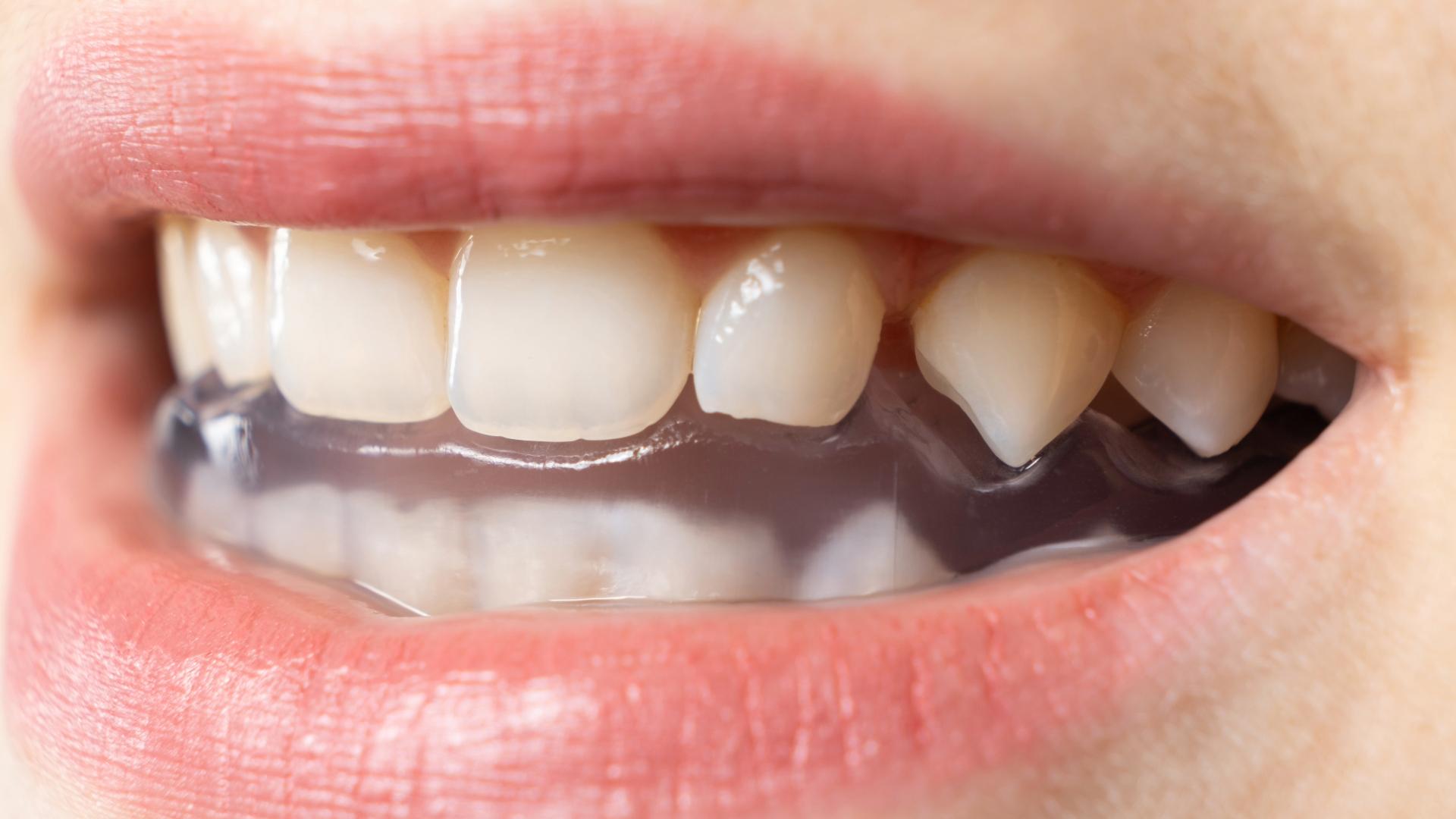
You may read that grinding, crooked teeth or a "bad bite" cause migraine, and that straightening teeth, a night guard or bite adjustment can cure it. We found no good evidence for either claim. A night guard may still be worth discussing if you grind your teeth, for the sake of the teeth.

Should wisdom teeth be removed?
Not usually just because they are there. The NHS says that if a wisdom tooth is not causing problems, it will usually be left where it is and monitored5 at routine check-ups. The UK's NICE guidance, published in 2000 and now being updated, says routine removal of impacted wisdom teeth that are free of disease should be discontinued6 and that surgery should be limited to teeth with disease, such as decay that cannot be repaired, infection, an abscess or a cyst.
Pericoronitis is usually treated first without surgery. Scottish guidance advises pain relief and rinses with salt water or a chlorhexidine mouthwash2, and antibiotics only if the infection is spreading or affects the whole body, or the immune system is weak. For removal, NICE says a first episode, unless particularly severe, should not be considered a reason for surgery, but second or later episodes should be. Scottish guidance also considers removal in severe cases or when it keeps coming back around the same tooth.
The evidence is not settled. A Cochrane review found insufficient evidence7 to say whether impacted wisdom teeth without symptoms or disease should be removed or kept, and recommends shared decisions and regular checks. A review of 37 studies of mixed design concluded that retained wisdom teeth rarely remain disease-free over time8, most often through decay and gum problems.
Removal has risks of its own. For impacted lower wisdom teeth, a review of over 44,000 extractions found temporary numbness of the lower lip or chin9 after about 12 in 1,000 extractions and permanent numbness after fewer than 3 in 1,000. The risk depends on how close the tooth is to the nerve and on the surgeon. Dry socket and infection are other possible complications that the NHS lists. Headache alone, without a problem in the tooth, is not a reason for removal in any of this guidance.
When to see a dentist or a doctor
See a dentist if you have pain at the back of your mouth, a swollen or tender gum around a wisdom tooth, a bad taste, or difficulty opening your mouth, with or without a headache. Ask for an urgent appointment if your face or jaw is swelling, opening your mouth is getting harder, or you have a fever or feel unwell: Scottish guidance treats facial swelling and limited mouth opening as possible signs that the infection is spreading. A dental examination, with an X-ray where needed, can find a dental problem. Whether it is causing your headache is judged from how the pain behaves, and sometimes from whether it eases after treatment.
See a doctor urgently if you have frequent severe headaches, pain or tenderness at the side of your head or on your scalp, problems with your vision, or you cannot eat or drink. The NHS TMD page lists these as reasons to get urgent medical advice. Recurring headaches without tooth pain are also a question for a doctor first.
Emergencies. With an infected wisdom tooth, difficulty breathing, noisy breathing, difficulty swallowing or a muffled voice are signs that need emergency care2 straight away. Call 112 or go to the nearest emergency department.
Frequently asked questions
Can an impacted wisdom tooth cause migraines?
A large population study using MRI scans found no link between wisdom teeth and migraine or other headaches. An impacted upper wisdom tooth was linked to long-term face pain, which is different.
Will removing my wisdom teeth stop my headaches?
None of the sources we checked shows headaches or migraines improving after wisdom teeth are removed. If a tooth is infected, treating it should ease the pain it causes. Headaches alone are not a reason for removal.
How do I know if my headache is coming from a tooth?
Dental problems usually cause pain in the tooth, gum or face, and only sometimes spread to the head. Headaches without any of that are less likely to be dental. A dentist can look for a dental problem; linking it to the headache takes a clinical assessment.
Should I have my wisdom teeth out if they do not hurt?
Not hurting does not always mean healthy. If an examination finds no disease, UK guidance advises against routine removal of impacted wisdom teeth, and a Cochrane review found no clear evidence either way. They should be checked at regular visits.
Can teeth grinding cause headaches?
Grinding and clenching are linked to jaw joint and muscle problems (TMD), and the NHS lists headaches around the temple among TMD symptoms. We found no good evidence that grinding causes migraine.

Dt. Dilek AKSU GÜLER
Dentist · Founder
She has completed advanced training in implantology and works in aesthetic restorations and smile design.
Sources
- ICHD-3 11.6: Headache attributed to disorder of the teeth. Headache Classification Committee of the International Headache Society. 2018.↩ichd-3.org
- SDCEP Management of Acute Dental Problems (2nd ed.): Acute pericoronitis. Scottish Dental Clinical Effectiveness Programme (SDCEP). 2026.↩acutedentalproblems.sdcep.org.uk
- Are third molars associated with orofacial pain? Findings from the SHIP study (MRI, population cohorts). Community Dentistry and Oral Epidemiology 2020;48(5):364-370. 2020.↩doi.org
- NHS: Temporomandibular disorder (TMD). NHS (nhs.uk). 2023.↩nhs.uk
- NHS: Wisdom tooth removal. NHS (nhs.uk). 2024.↩nhs.uk
- NICE TA1: Guidance on the extraction of wisdom teeth. National Institute for Health and Care Excellence, published 27 March 2000 (last reviewed 31 March 2015; update ID898 in progress). 2000.↩nice.org.uk
- Surgical removal versus retention for the management of asymptomatic disease-free impacted wisdom teeth (Cochrane review). Cochrane Database of Systematic Reviews 2020;5:CD003879. 2020.↩doi.org
- Does retaining third molars result in the development of pathology over time? A systematic review (37 studies). Journal of Oral and Maxillofacial Surgery 2020;78(11):1892-1908. 2020.↩doi.org
- Risk relationship associated with inferior alveolar nerve injury following removal of mandibular third molars: a systematic review (23 studies). Journal of Stomatology, Oral and Maxillofacial Surgery 2020;121(1):63-69. 2020.↩doi.org