
Does coconut oil whiten teeth?
We found no evidence that it does. The coconut oil pulling trials in a 2020 review measured plaque and gum health, not tooth colour. The American Dental Association reports no documented whitening from oil pulling. Small trials suggest a modest effect on plaque, but they were short and at high risk of bias. Oil pulling is not a substitute for brushing with fluoride toothpaste, and it has been linked with side effects.
- None of the reviewed coconut oil trials measured whether teeth became whiter.
- Small, short trials suggest oil pulling may reduce plaque a little; the evidence is weak.
- The ADA reports that oil pulling has been linked with side effects, including a lung problem called lipoid pneumonia.
- Surface stain responds to a professional clean or whitening toothpaste; deeper colour needs a dentist's assessment.
Oil pulling means swishing a spoonful of oil around the mouth for several minutes and then spitting it out. It comes from traditional practice, and coconut oil is the version most often recommended online for whiter teeth.
What the studies measured
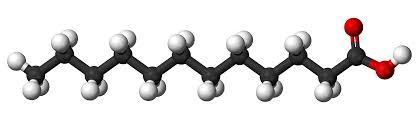
Coconut oil
A 2020 systematic review found four randomised trials with 182 participants1 that tested coconut oil pulling. The review reports that the trials lasted between 7 and 14 days; in the staining trial, each rinse was used for four days. They measured plaque, gum inflammation, bleeding, bacteria in saliva and, in one trial, staining. None measured whether teeth became whiter.
Plaque scores and bacterial counts improved in the pooled results. The review's authors judged the data insufficient: the quality of the studies was mixed and the risk of bias was high. So the trials do not show whether oil pulling adds anything to normal brushing. The authors saw it as, at most, an addition to normal cleaning.
The staining result is often misread. One trial compared coconut oil with chlorhexidine, a mouthwash known to stain teeth. Coconut oil left less stain than chlorhexidine1 (a stain score of 0.21 against 0.47). That shows it stained less than a staining mouthwash. It does not show that it whitened anything.
Oil pulling with any oil
A 2024 review of 25 trials with 1,184 participants2 looked at oil pulling with different oils over 7 to 45 days. Chlorhexidine mouthwash reduced plaque more than oil pulling did. The authors rated the overall quality of the evidence as very low. Its abstract reports plaque, gum and bacteria results, not tooth colour.
Possible harms
The American Dental Association says there is an absence of documented tooth whitening from oil pulling3. It also says oil pulling has been associated with adverse events ranging from lipoid pneumonia to upset stomach and diarrhoea. Lipoid pneumonia is lung inflammation caused by oil getting into the lungs. The ADA gives no figure for how often these happen.
The bigger practical risk is what oil pulling replaces. If it takes the place of brushing with fluoride toothpaste, you lose something that does work. In adults, fluoride toothpaste reduced new decay compared with toothpaste without fluoride4.
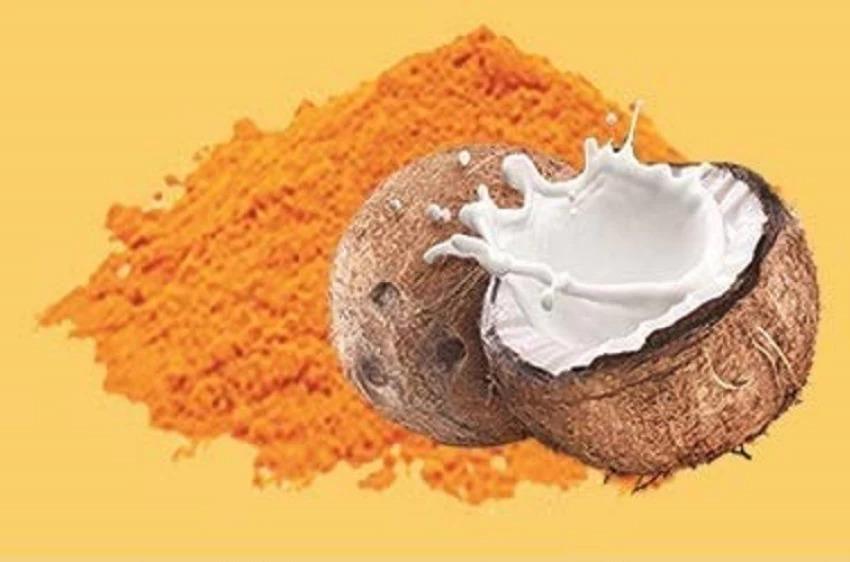
Recipes online often add turmeric, baking soda or lemon to coconut oil. We have not found reliable evidence that any of these mixtures whitens teeth.
What removes stain
Most yellowing that people hope oil will fix is one of two things. Stain on the surface comes from coffee, tea, red wine or tobacco. The ADA says a wide range of these can be reduced by a professional clean or brushing with a whitening toothpaste3. Colour inside the tooth, from ageing or other causes, does not respond to toothpaste. Some of it can be lightened by bleaching, which you plan with a dentist after an examination. Sensitivity and gum irritation are its most common side effects, and whitening lightens only natural teeth5: fillings, crowns and veneers keep their colour.
If you still choose to oil pull, treat it as an extra, keeping in mind the side effects the ADA reports. Do not count it as whitening, and do not let it replace brushing.
A routine that helps
- Brush twice a day with fluoride toothpaste (1,350 to 1,500 ppm fluoride for adults), once last thing at night, and spit out rather than rinse6.
- Clean between your teeth every day.
- Rinse with water after coffee, tea or red wine.
- Keep to check-ups, and ask whether a clean would help with stain.
When to see a dentist
Book an examination if:
- stain remains after brushing well for a few weeks;
- one tooth is darker than the others;
- you see brown or black spots, or a spot feels rough or sticky;
- your gums bleed when you brush.
If you develop a cough, breathlessness or chest discomfort after oil pulling, stop and see a doctor.
Emergencies. Increasing tooth pain, facial swelling or a fever: see a dentist without waiting. Swelling that makes it hard to breathe, speak or swallow7, swelling that spreads to your eye or neck, a lot of swelling inside your mouth, or difficulty opening your mouth: go to an emergency department or call 112.
Want whiter teeth without guesswork?
Send a photo in daylight. Our dentists will write back on whether the colour looks like surface stain or the tooth's own shade, and what could help.
Frequently asked questions
How long does coconut oil take to whiten teeth?
We found no evidence that it whitens teeth at all, so there is no time to wait for. The trials we reviewed measured plaque and gum health over days to weeks, not tooth colour.
Is oil pulling good for the gums?
Small trials found some improvement in plaque and gum scores, but the evidence is weak and chlorhexidine reduced plaque more. It is not a treatment for gum disease; bleeding gums need a dentist's check.
Can I use coconut oil instead of toothpaste?
No. Coconut oil has no fluoride. Fluoride toothpaste reduces new decay, and oil pulling has not been shown to replace it.
Does coconut oil with turmeric, baking soda or lemon work better?
We have not found reliable evidence that these mixtures whiten teeth. Avoid acidic additions such as lemon: acidic drinks such as orange juice erode enamel. Research on baking-soda toothpastes does not apply to homemade mixtures.
Is oil pulling safe?
The American Dental Association reports it has been linked with side effects, from an upset stomach to lipoid pneumonia, a lung problem. How often these happen is not known. If you choose to do it, keep brushing with fluoride toothpaste.
Sources
- The effect of oil pulling with coconut oil to improve dental hygiene and oral health: a systematic review. Heliyon 2020;6:e04789. 2020.↩doi.org
- The effect of oil pulling in comparison with chlorhexidine and other mouthwash interventions in promoting oral health: a systematic review and meta-analysis. International Journal of Dental Hygiene 2024;22(1):78-94. 2024.↩doi.org
- Oral Health Topics: Whitening. American Dental Association (ADA Library & Archives), last updated 16 August 2022. 2022.↩ada.org
- Fluoride toothpastes of different concentrations for preventing dental caries (Cochrane review). Cochrane Database of Systematic Reviews 2019;3:CD007868 (Walsh T et al.). 2019.↩doi.org
- Teeth whitening. NHS, page last reviewed 19 August 2025. 2025.↩nhs.uk
- Delivering Better Oral Health, chapter 2: summary guidance tables for dental teams. Office for Health Improvement and Disparities / DHSC, NHS England et al.. 2025.↩gov.uk
- NHS: Dental abscess. NHS (nhs.uk). 2026.↩nhs.uk

Dt. Dilek AKSU GÜLER
Dentist · Founder
She has completed advanced training in implantology and works in aesthetic restorations and smile design.